
 MADE WITH ADYVI
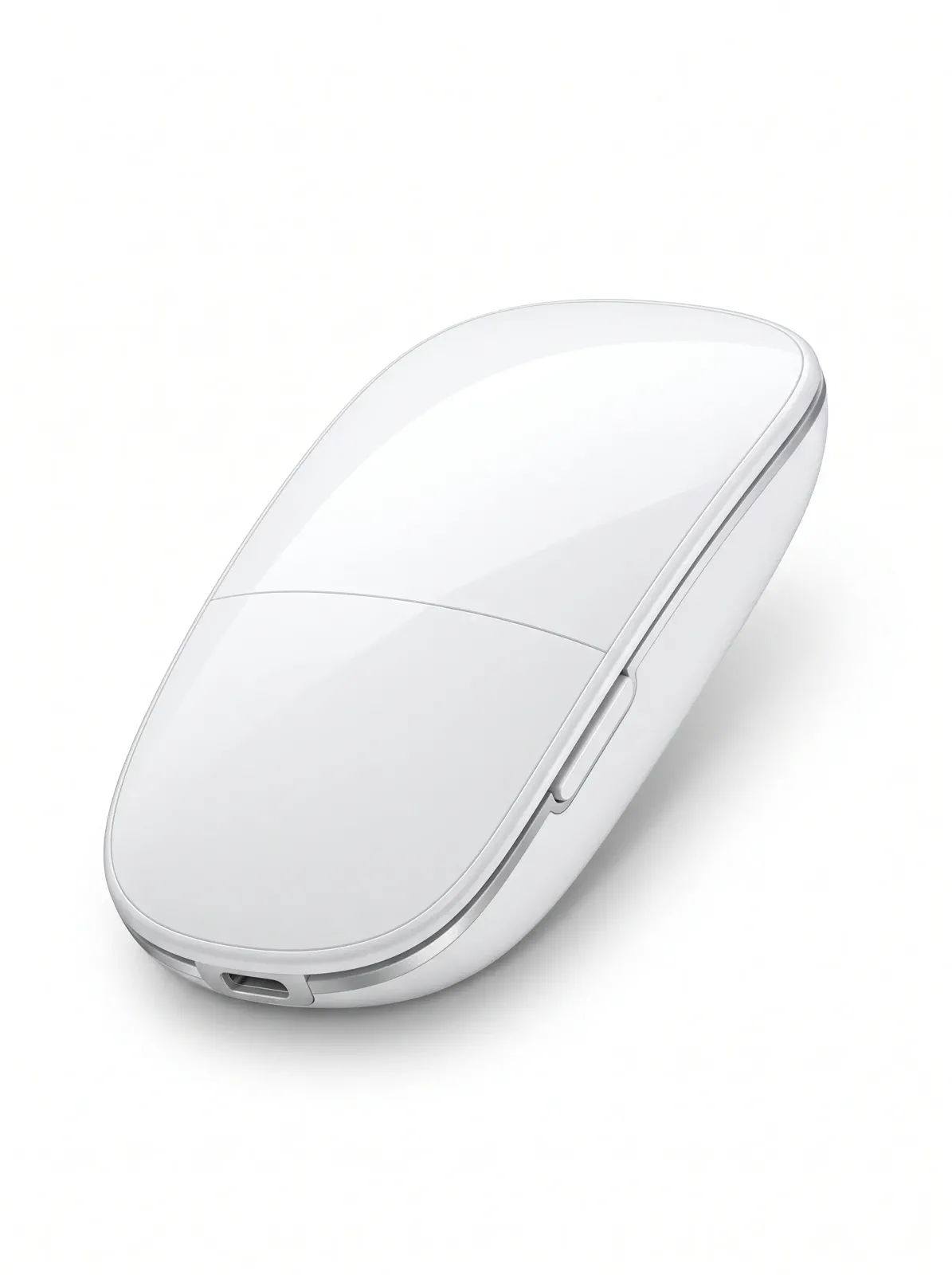
PALE ON WHITE
Keep form from disappearing
Subtle edge tone and a soft shadow keep a pale curved product three-dimensional.
EDGE, DEPTH, AND SHADOW
White products can disappear, complex edges can look rough, reflective surfaces can flatten, and missing shadows can make an object float. A finished white image solves those visible problems as one composition.
 MADE WITH ADYVI
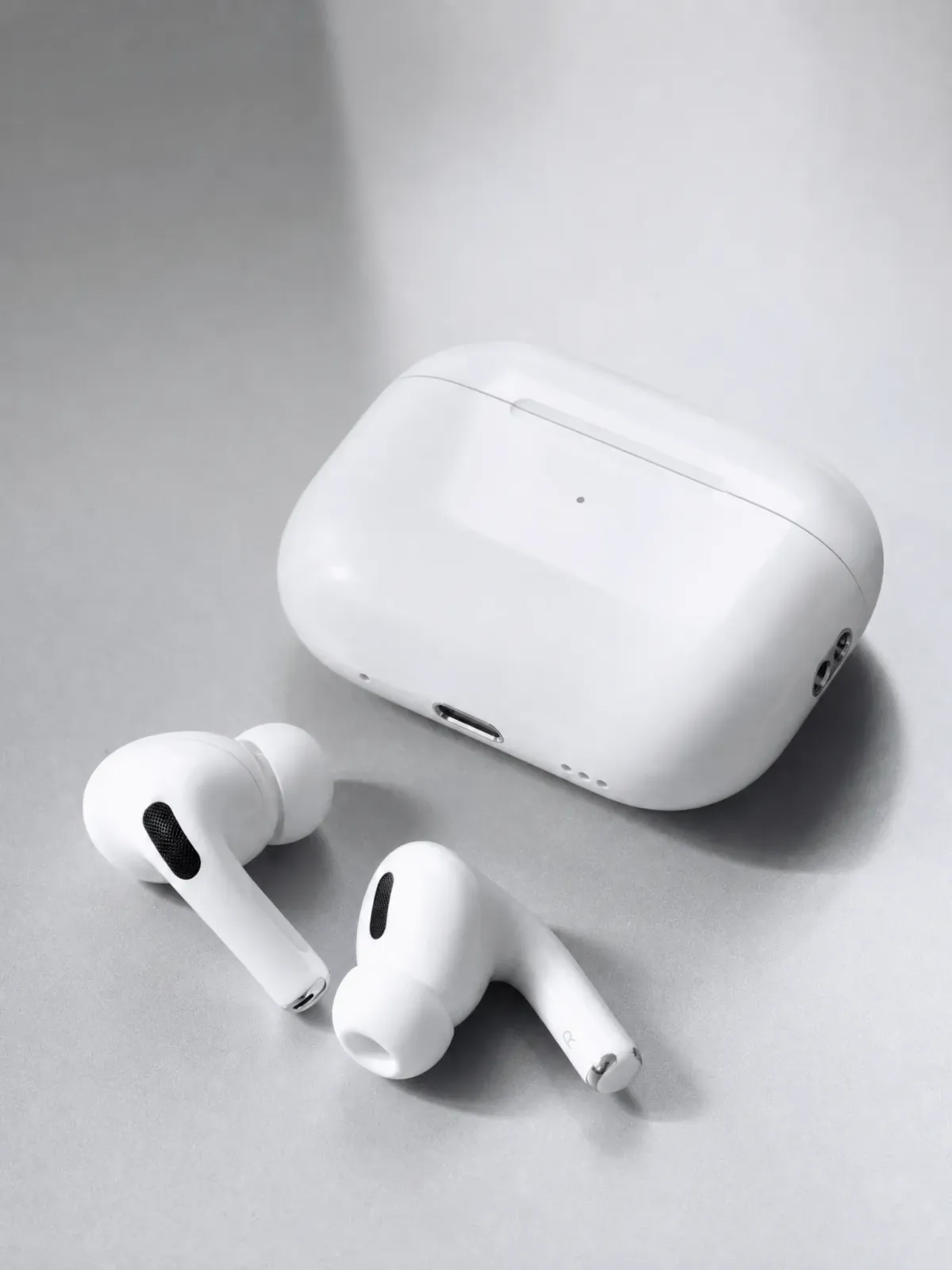 Starting product image
THREE FAILURE MODES
Pale products need tonal separation. Complex products need every gap and thin edge preserved. Reflective products need controlled highlights that explain their outline.
MADE WITH ADYVIPALE ON WHITE
Subtle edge tone and a soft shadow keep a pale curved product three-dimensional.
 MADE WITH ADYVI
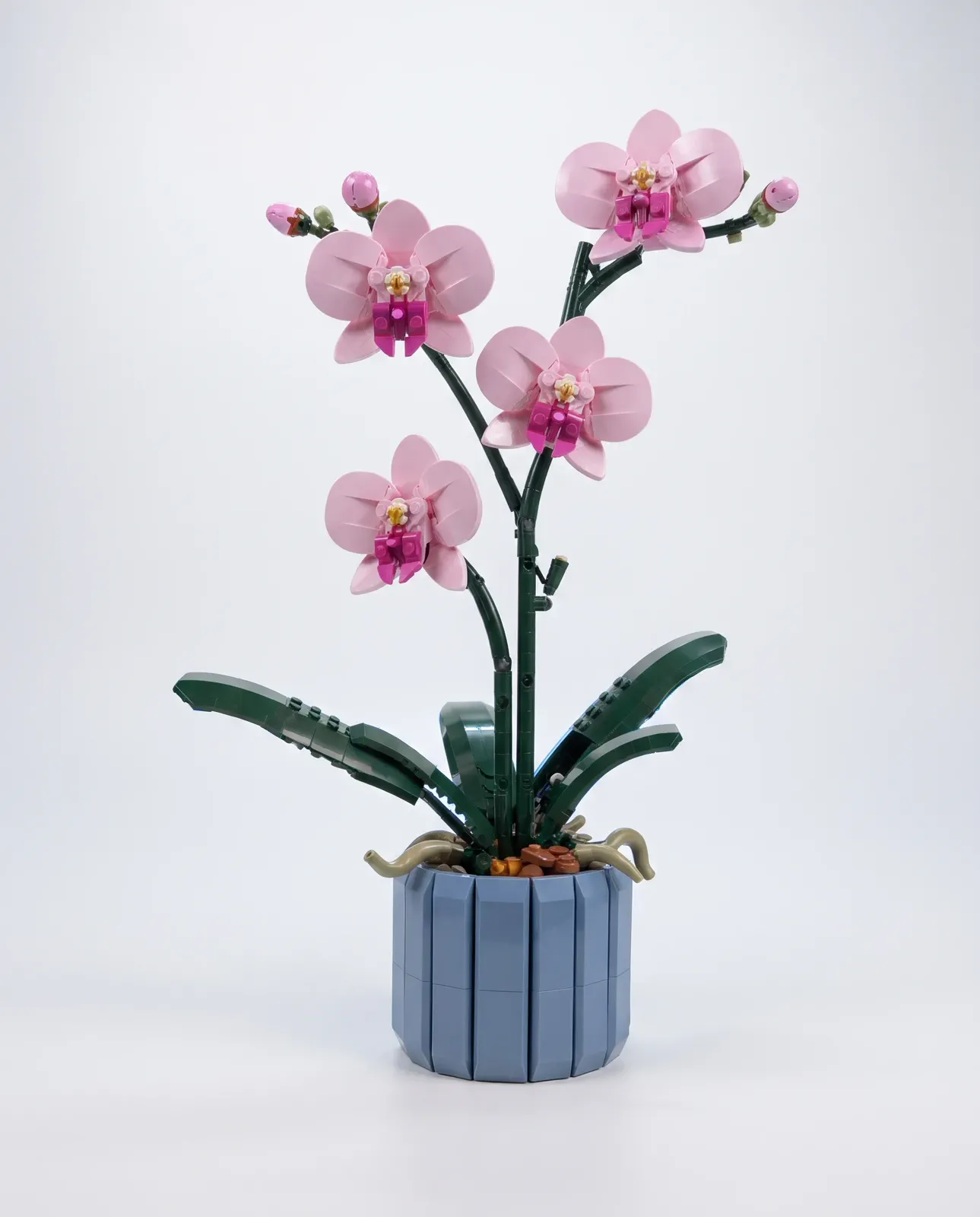
COMPLEX OUTLINE
Petals, stems, clips, openings, and pot edges remain individually readable.
 MADE WITH ADYVI
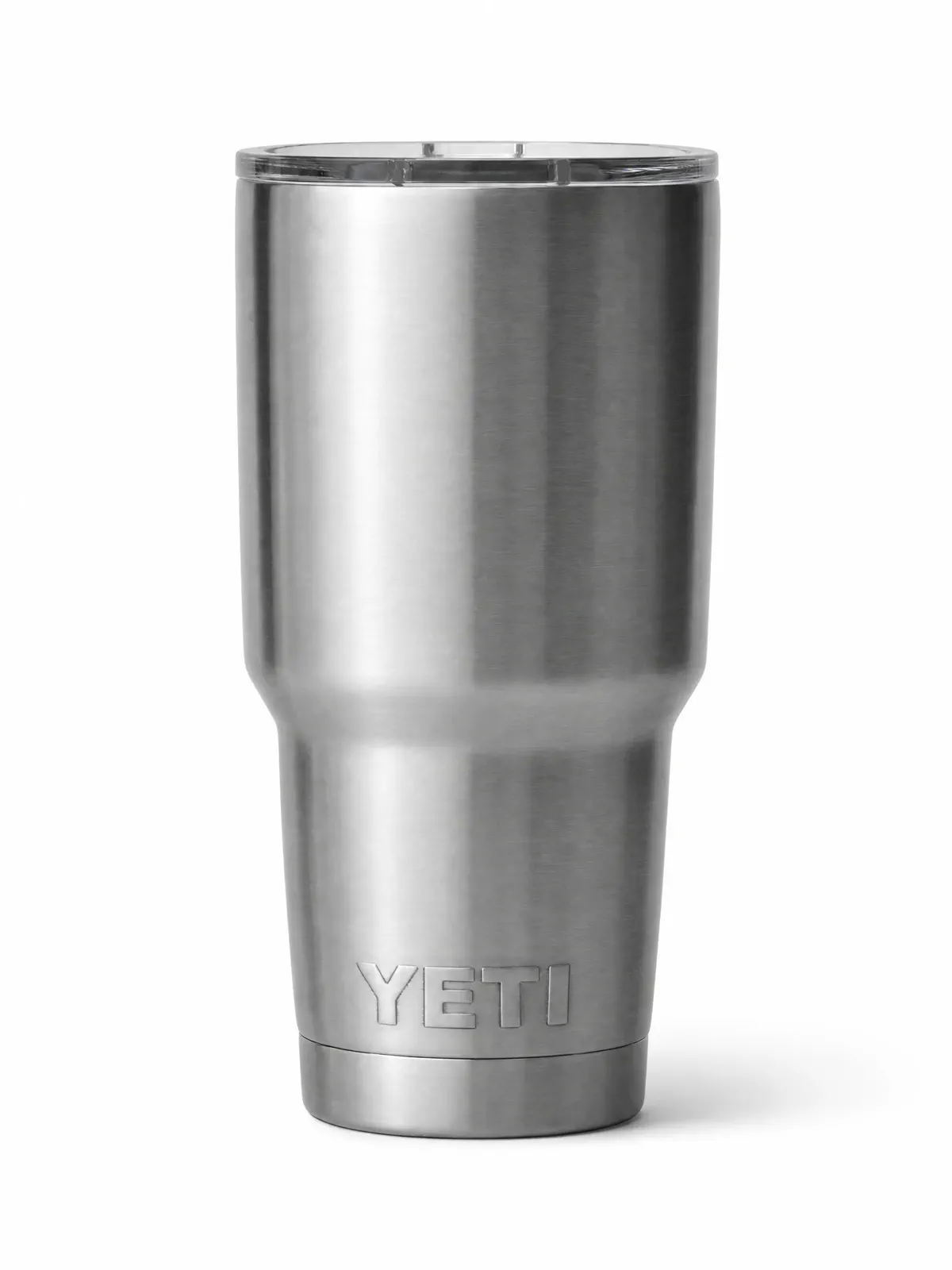
REFLECTIVE SURFACE
Vertical highlights and grayscale separation preserve rim, lid, taper, and base.
SHADOW CHOICE
The same skincare bottle makes the shadow choice easy to compare. A soft diffuse shadow gives gentler depth, while a tighter contact shadow gives firmer grounding.
 MADE WITH ADYVI
SOFT SHADOW
A wider soft shadow keeps the bottle separate without making the white field feel gray.
 MADE WITH ADYVI
CONTACT SHADOW
A tighter shadow connects the same bottle to the surface while remaining secondary.
CUSTOMER EVIDENCE
The comments cover pale-product shape, grounded shadow, and real store use.
“Our cream jar basically vanished on white before. I directed a little tone and shadow, and now the pale product keeps its shape instead of disappearing.”
Tomas_H
Adyvi customer
“Without a shadow the product looked like it was floating on white. I asked for a soft contact shadow and it feels grounded now, but the shadow doesn't distract.”
Idris_B
Adyvi customer
“I downloaded the white-background result and used it as the main product image on our store page. It was ready for the listing straight away.”
Gabriel_M
Adyvi customer
CREATE IN ADYVI
The pale electronics example above proves tonal separation. Here, a stainless tumbler tests whether the white field can preserve reflective material, edge definition, depth, and grounding together.
01 · YOUR PRODUCT
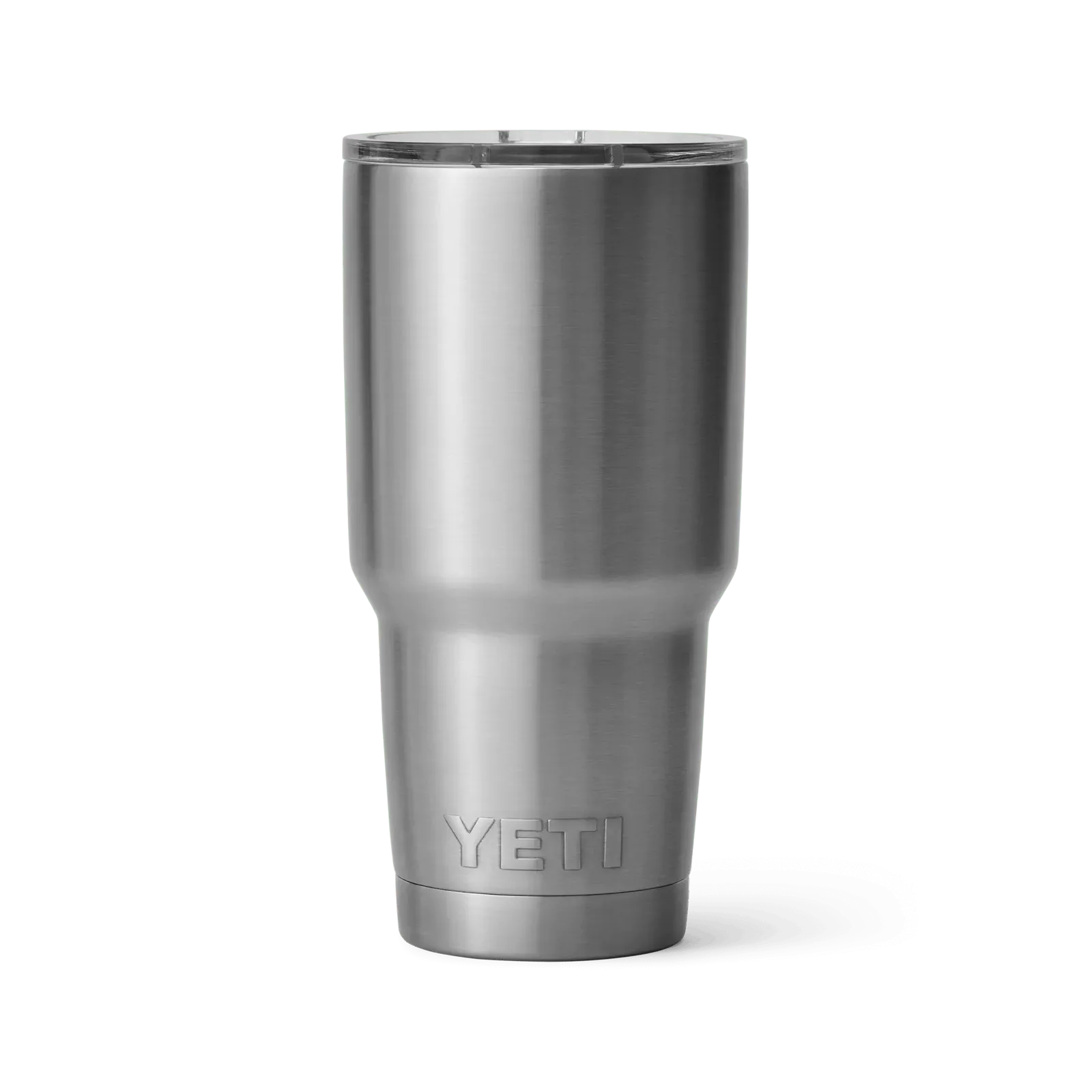 Starting product image
Start with one complete, clear product image that shows the surface that matters.
02 · DESCRIBE THE JOB
“Create a true white-background image for the stainless tumbler. Preserve the rim, lid, taper, base, vertical highlights, three-dimensional volume, and a restrained contact shadow.”
BEFORE YOU CREATE
Plan edge separation, shadow, source quality, and final crop as one finished composition.
Choose a finished white image when edge separation, light, shadow, product scale, and spacing should arrive as one complete composition. Choose a cutout when another layout will control those decisions later.
Use subtle tonal separation, a controlled rim or edge light, and a shadow that reveals form without turning gray and heavy.
Use a soft shadow for gentler depth and a tighter contact shadow for firmer grounding. Keep either shadow consistent with product shape and light direction.
Use a sharp image with the entire outline visible and no object covering the edges. Reflective or complex products need clearly visible material boundaries and openings.
Choose the final slot first. Square often suits marketplace or collection browsing, while portrait gives product-detail pages more room. Keep scale and white space consistent across related images.
CREATE WITH ADYVI
Start with one clear source and the edge or shadow problem the result needs to solve.