
Original
01Everyday ritual
Give the product a place in the day
Prompt
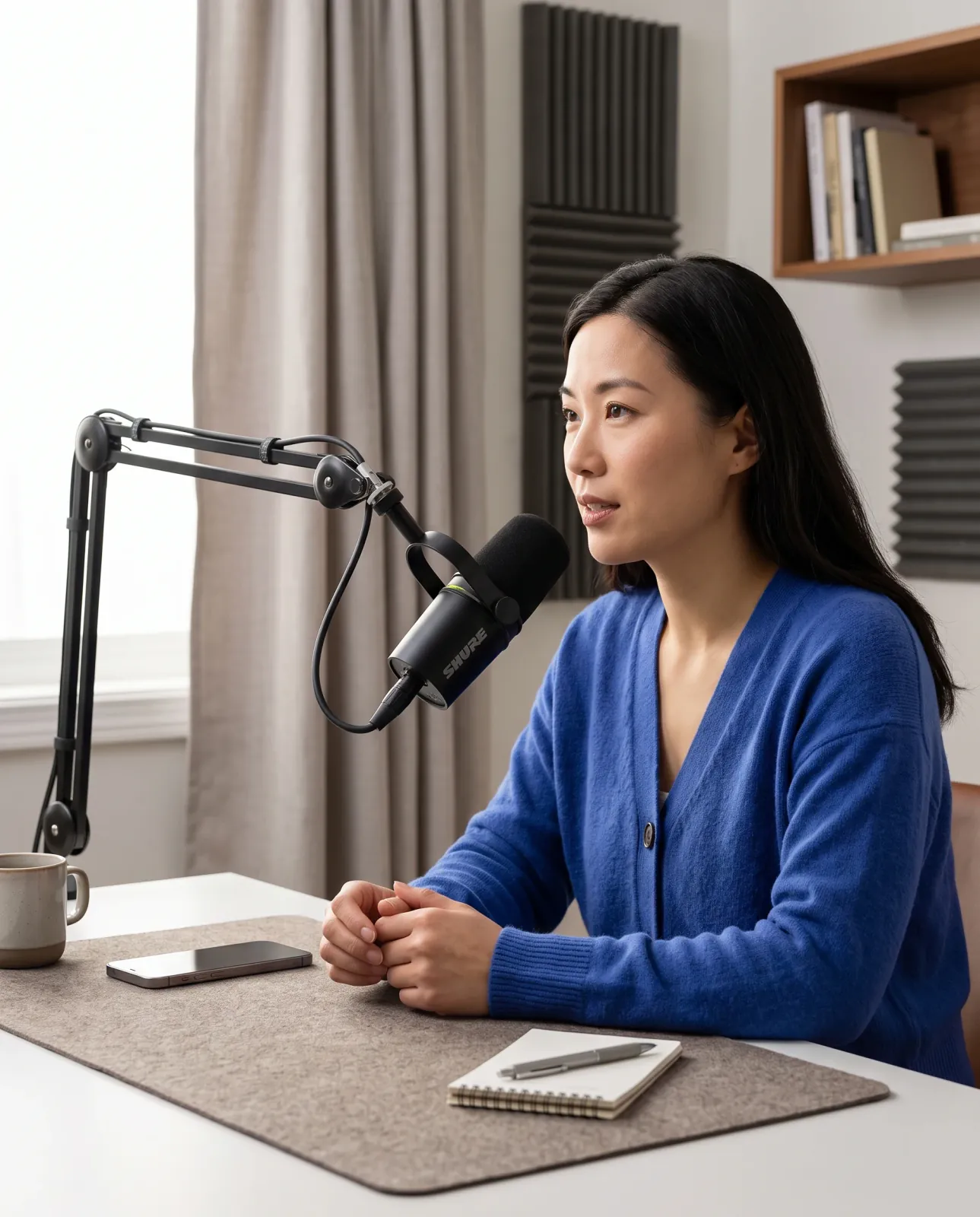
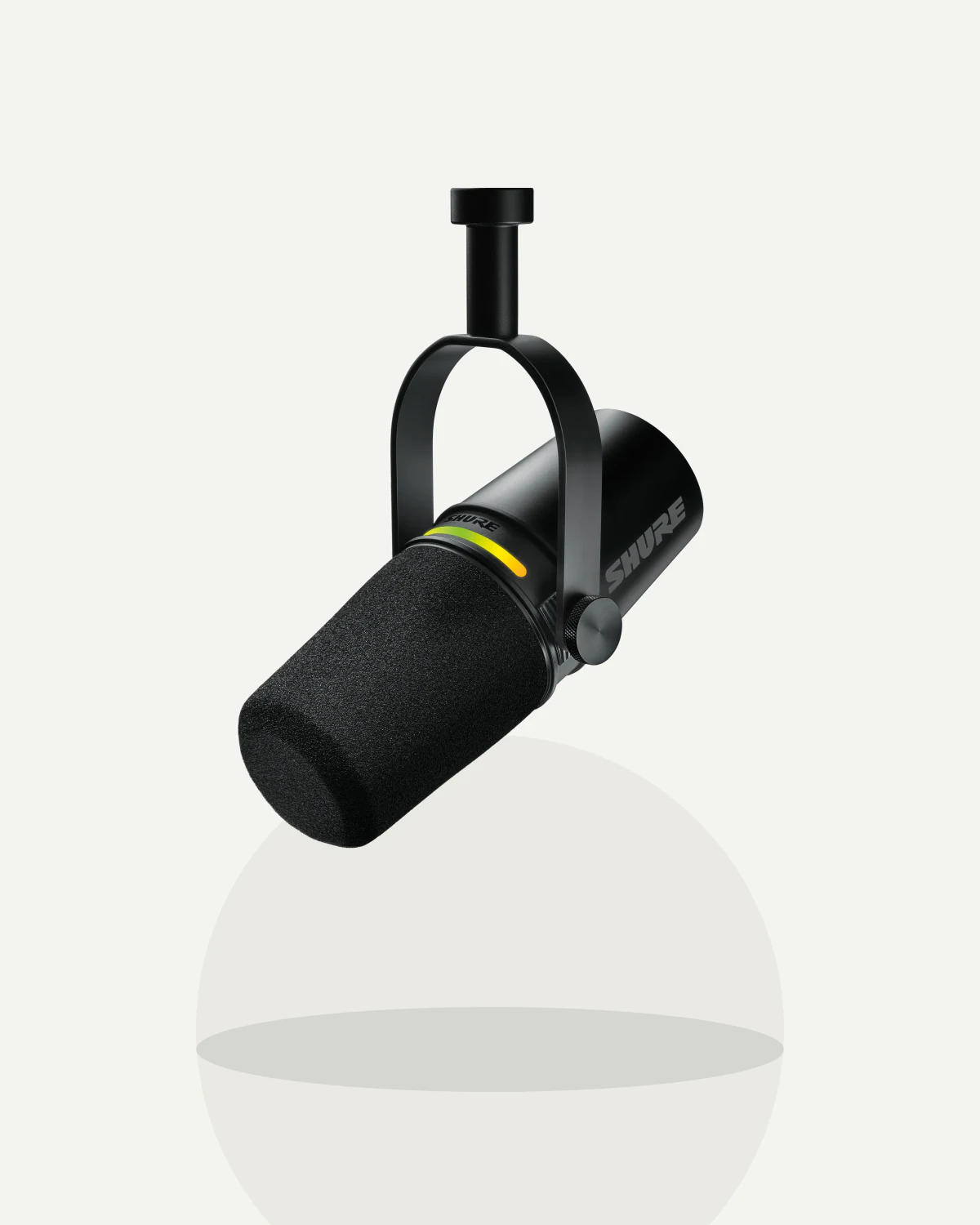
Place the Shure microphone in a focused creator recording setup with the complete product visible.
Real-life product stories
Lifestyle product photography places a product in a meaningful setting so people can understand its role, mood, and real-life context.
A packshot tells shoppers what the product is. Start with that clear product photo, then use Adyvi to show where it belongs, how it fits into a routine, and what owning it can feel like.

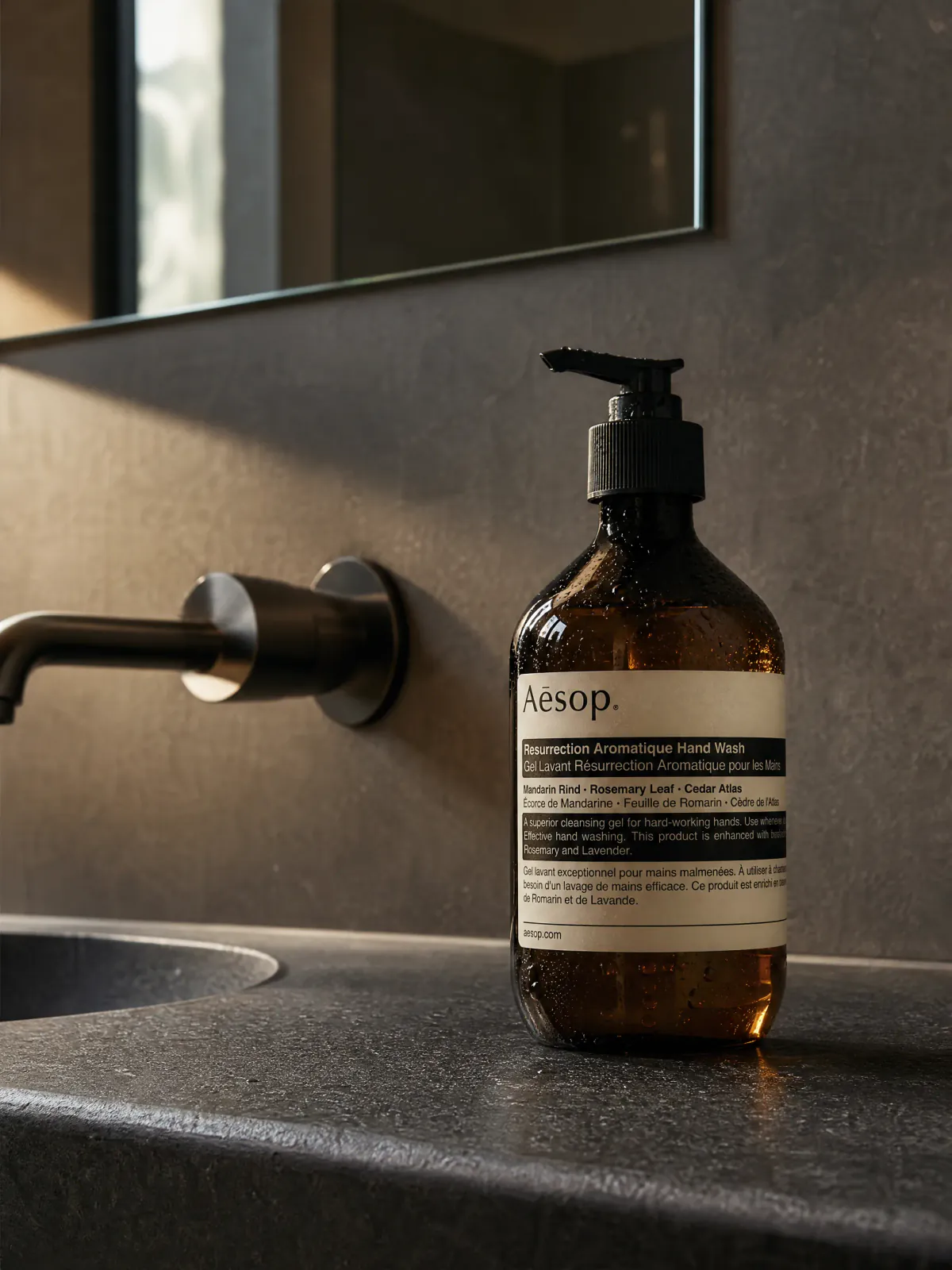
Morning skincare
A familiar cleanser placed naturally into the start of the day.
See how familiar settings turn product details into routines, occasions, and customer aspirations.
Independent concepts, not official brand campaigns
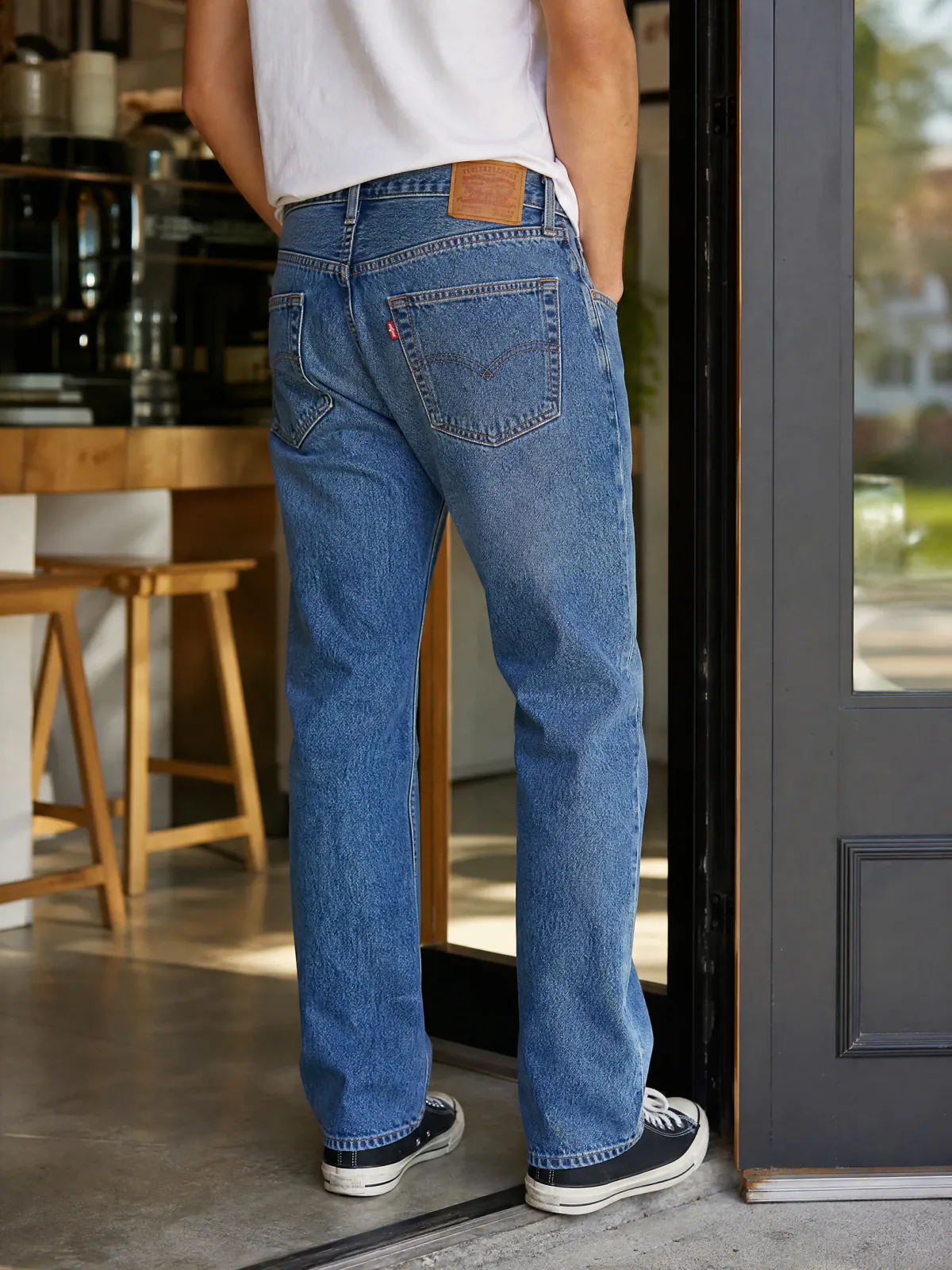
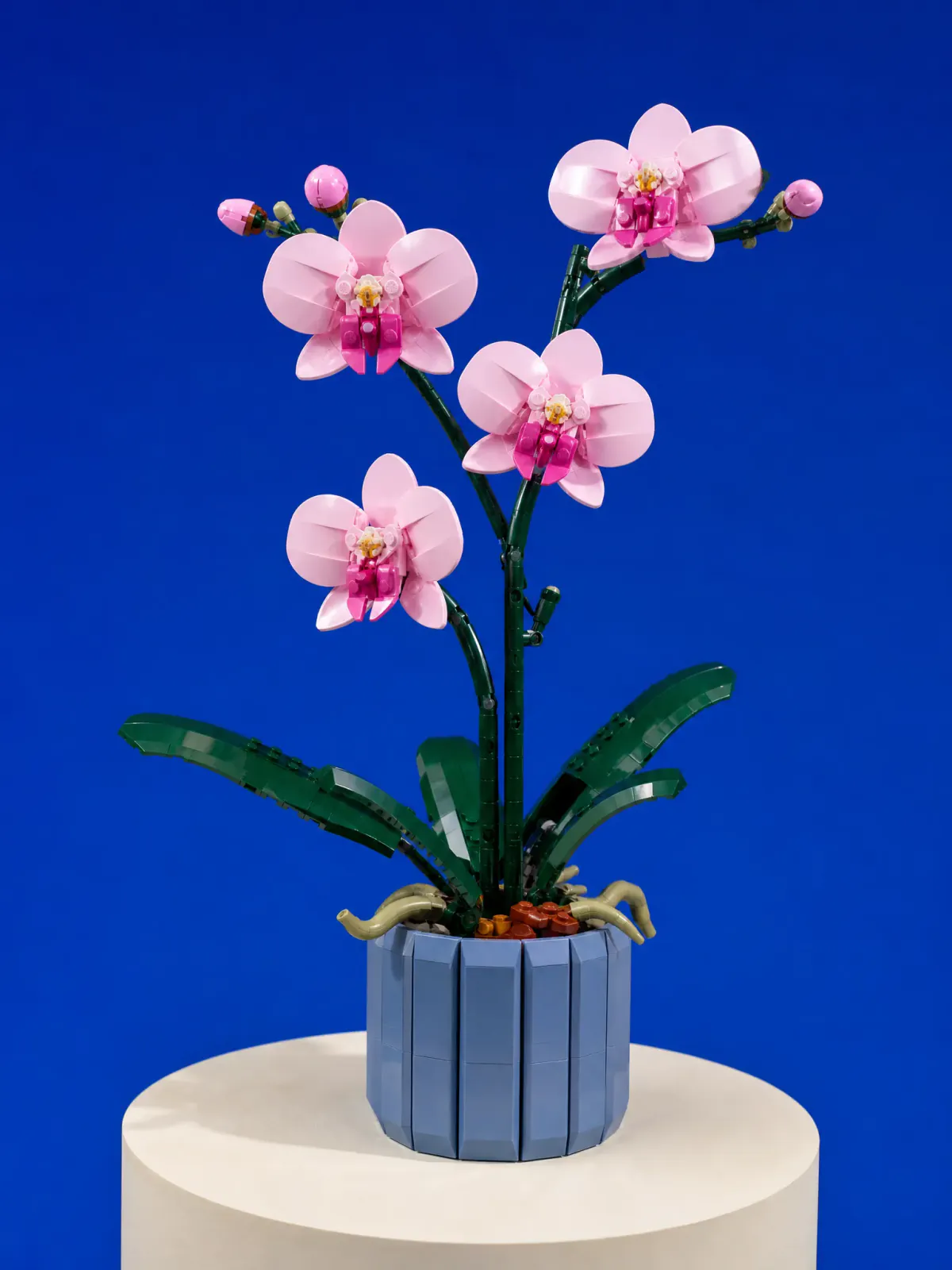
Why context changes the image
Product lifestyle photography does more than replace a plain background. It gives the product a place, a routine, an audience, and a feeling that the shopper can recognize.
The strongest scene answers a useful question: where does this belong, how is it used, what does it feel like, or what kind of life does it represent?
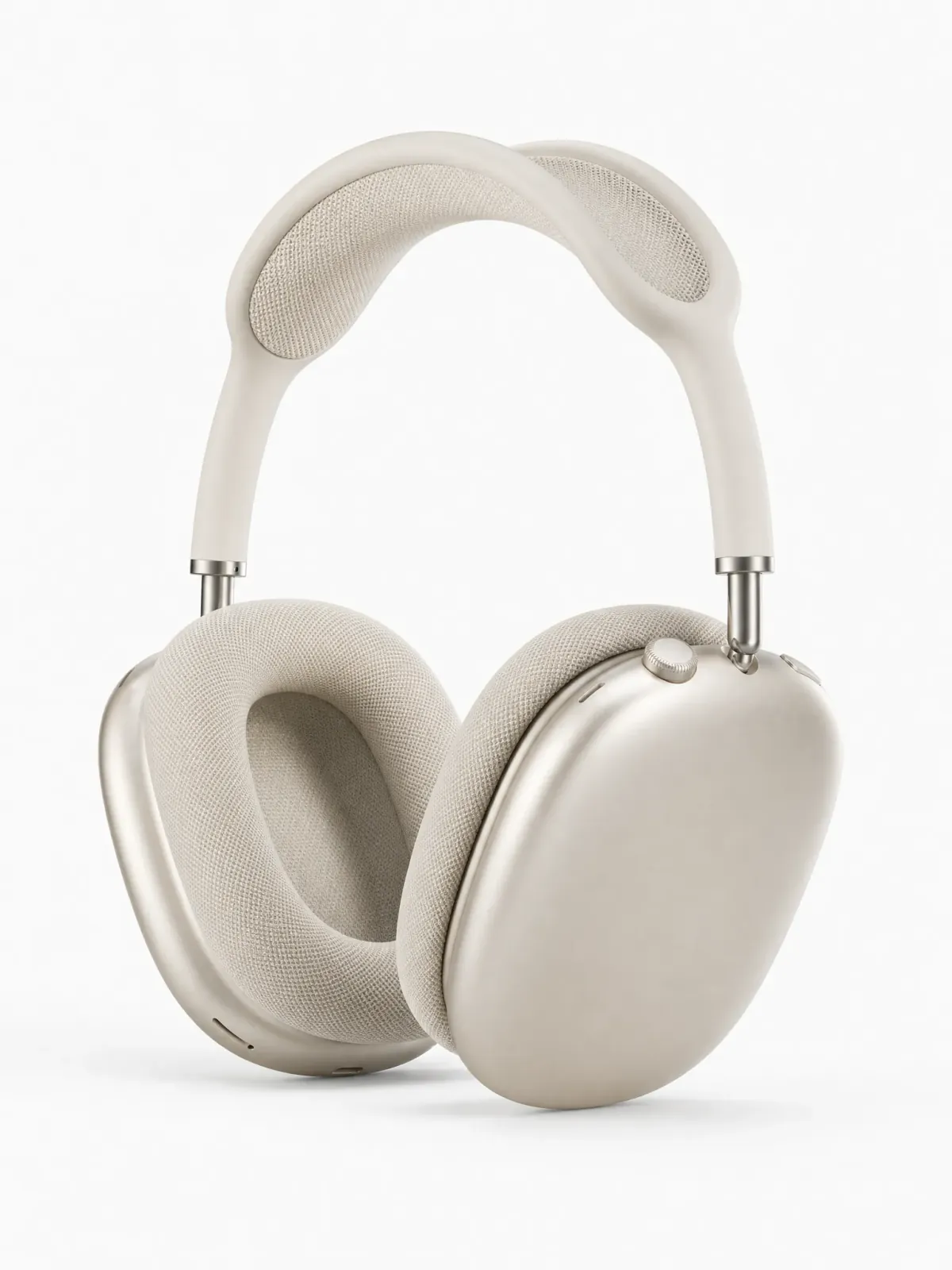
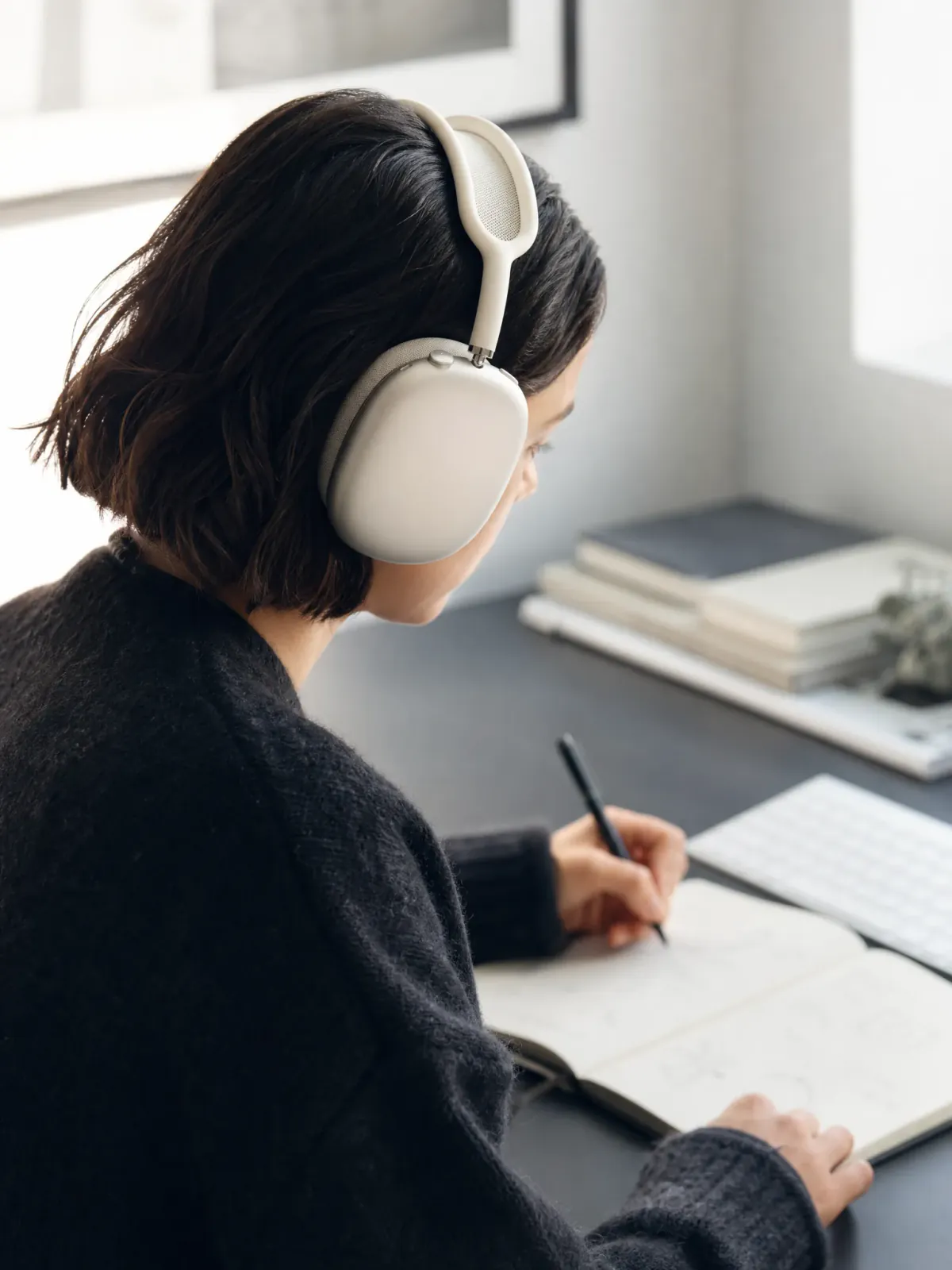
Product facts that stay clear
The complete AirPods Max silhouette, mesh canopy, and aluminum earcups remain easy to see.
What the scene adds
A focused desk, notebook, and soft daylight turn the product into part of a credible work routine.
The shopper question it answers
Can I picture these headphones fitting naturally into my own work routine?
Choose the customer moment
A useful lifestyle scene begins with a moment the shopper can understand. Decide what is happening, why the product is there, and what the scene should help someone feel.
Original
Prompt
Place the Shure microphone in a focused creator recording setup with the complete product visible.
Original
Prompt
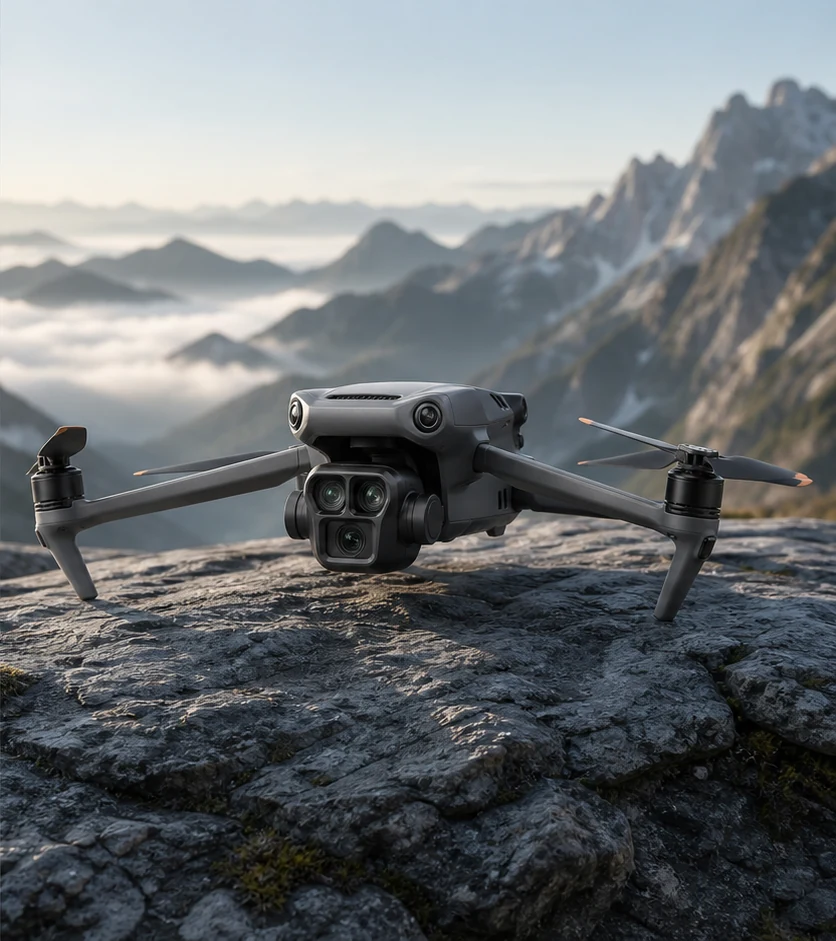
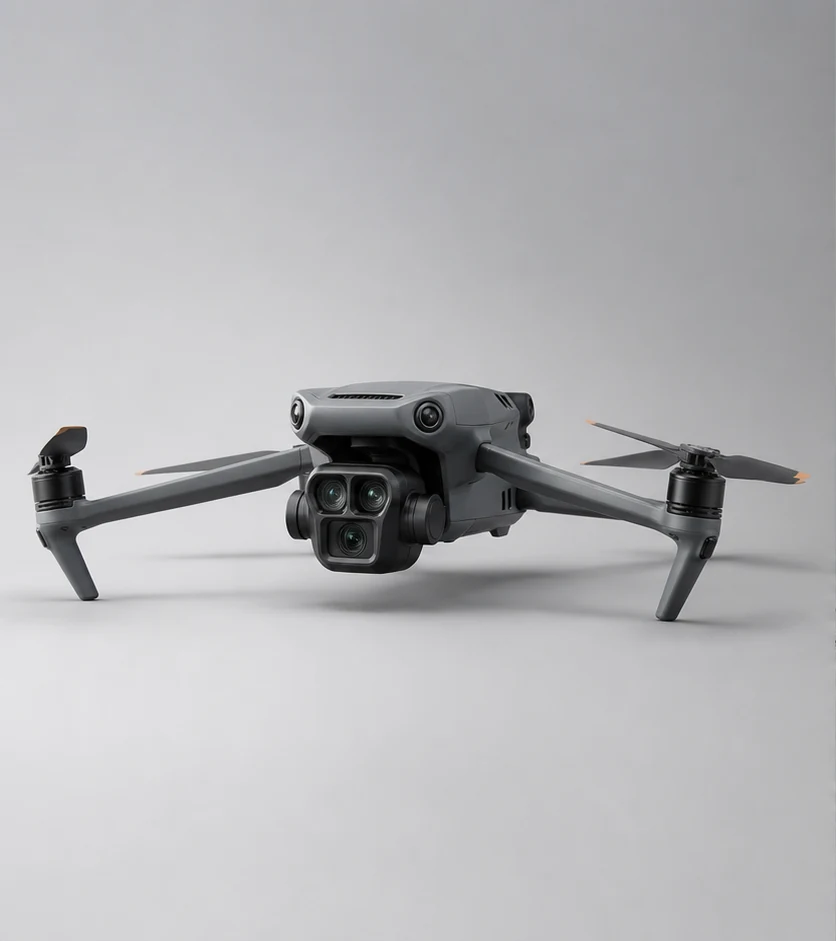
Place the DJI Mavic 3 Pro at a dramatic alpine overlook while preserving its camera, graphite finish, and exact silhouette.
Have a customer moment in mind?
Use your own words to describe the moment.

Original
Prompt
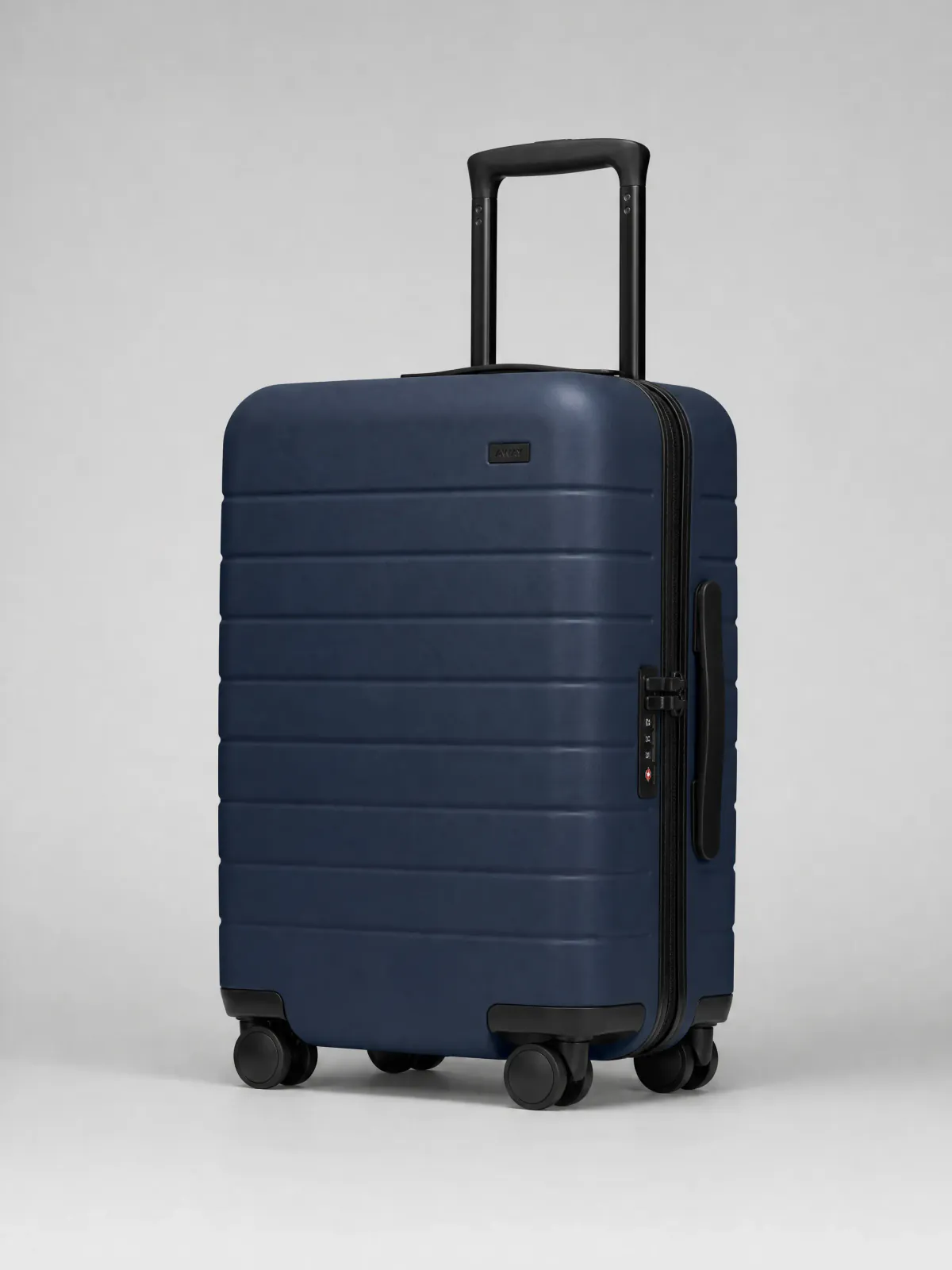
Show the Away carry-on being rolled through a bright airport, with the complete suitcase visible and the moment feeling natural.
Original
Prompt
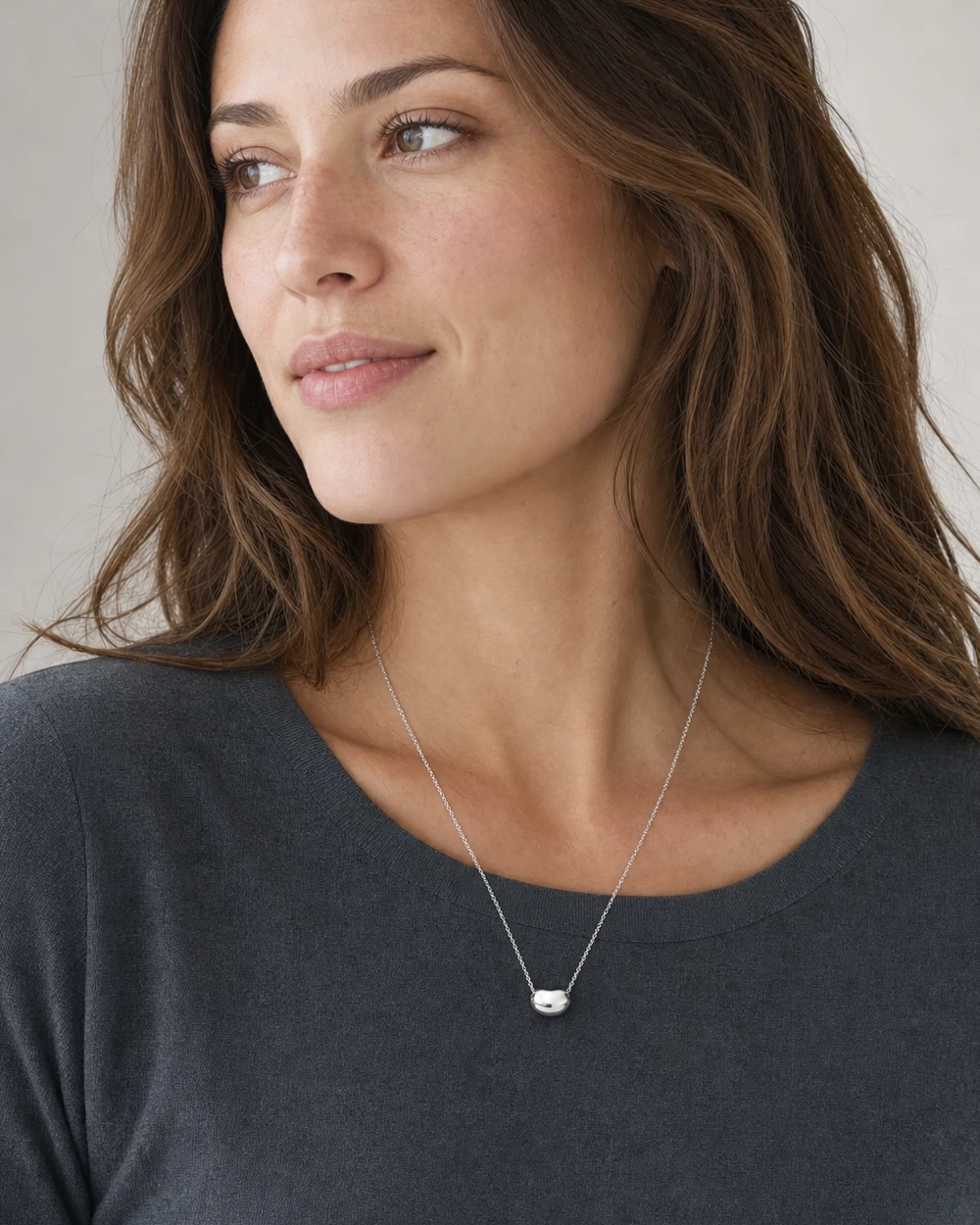
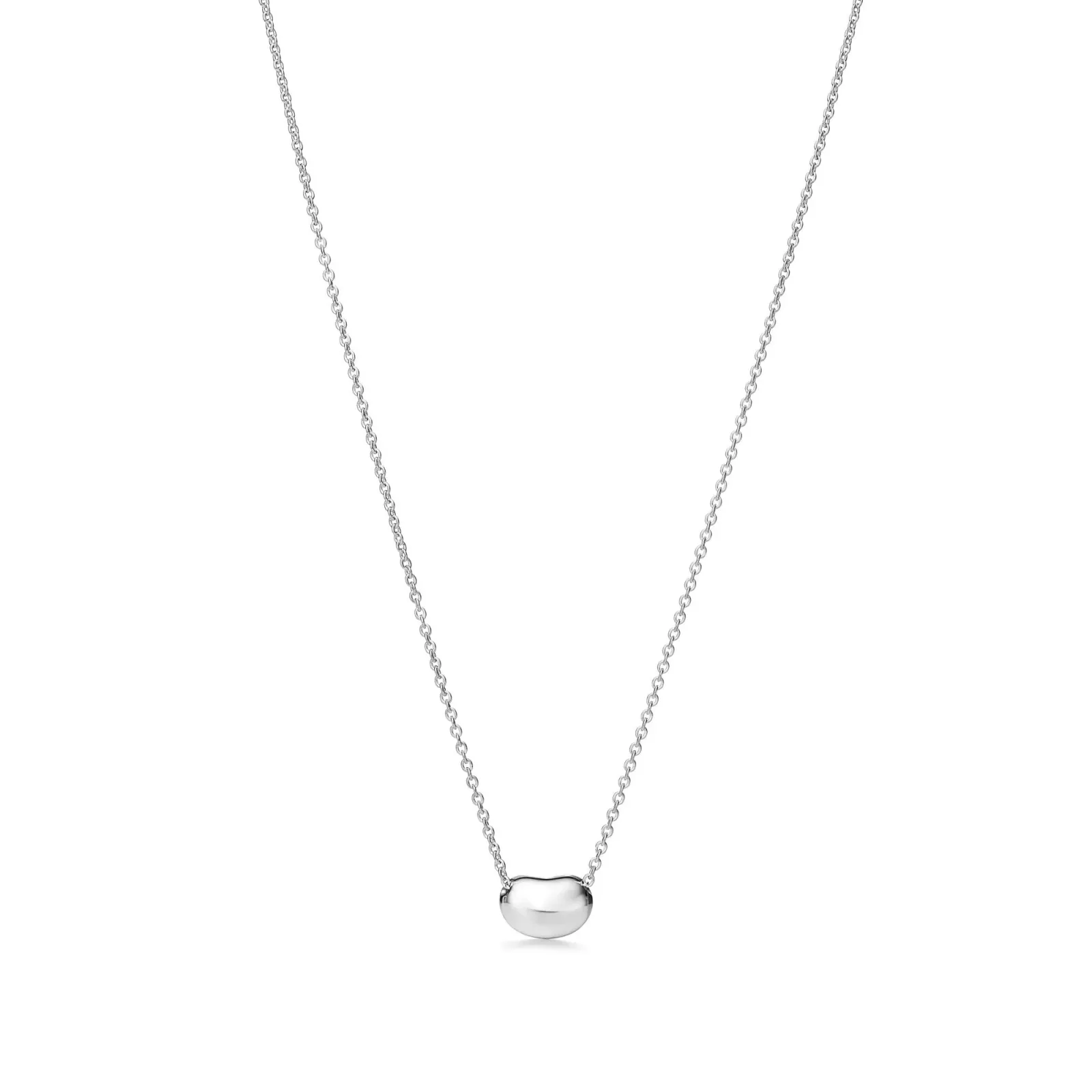
Show the Tiffany pendant in a natural wearing scene with the complete necklace visible and no added text.
Two different storytelling choices
Both directions can be believable. The difference is whether the scene reflects a life the customer already recognizes or a life they want to move toward.
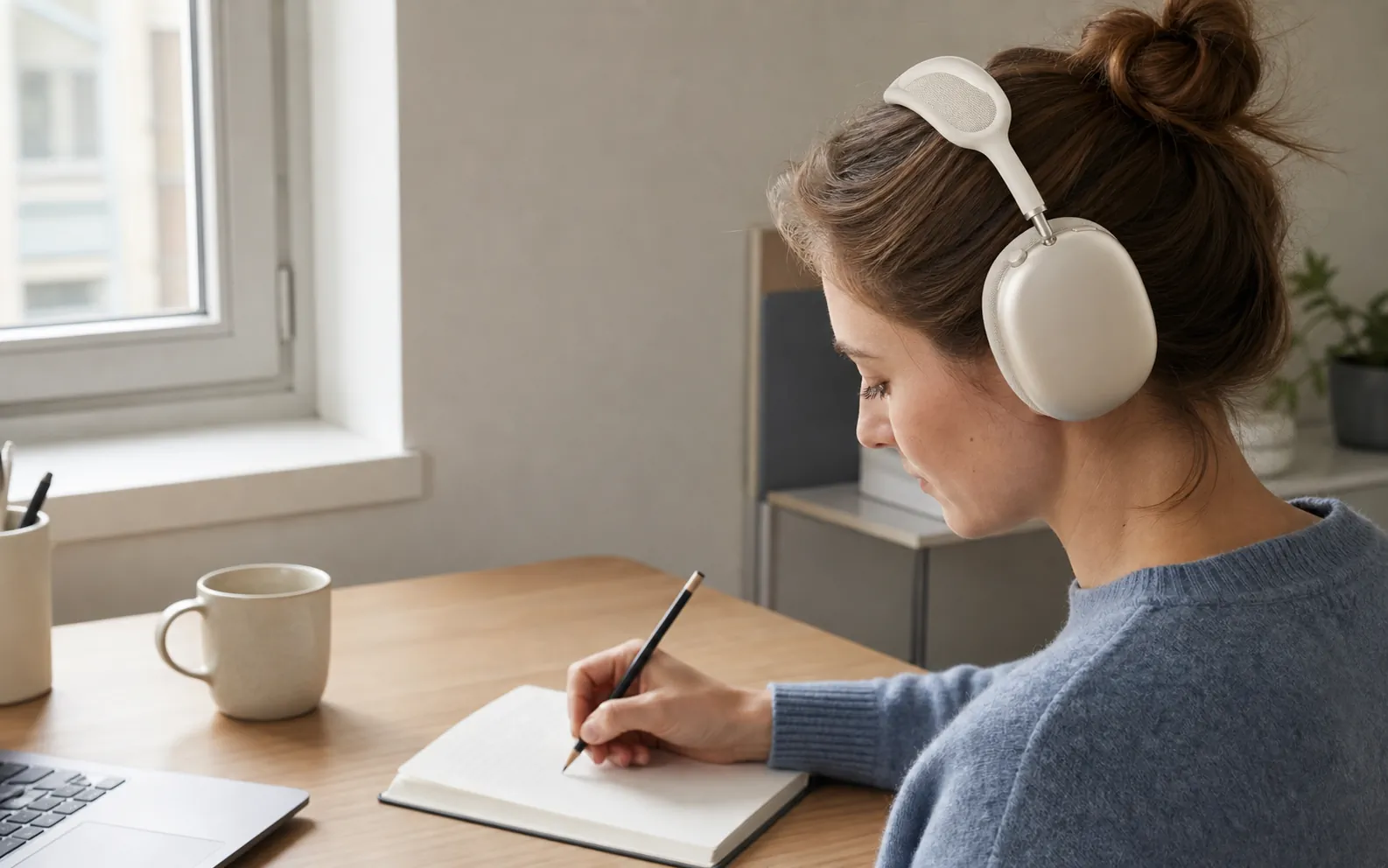
Apple AirPods Max
Focused work · Soft daylight · Clean desk
A notebook, soft daylight, and an ordinary work routine make the product feel immediately useful and easy to imagine in a familiar day.

Away The Carry-On
Airport movement · Morning light · New journey
Airport movement, open space, and stronger energy connect the product with the kind of journey the customer wants to begin.
These examples use different recognizable products so the routine and travel stories remain visually distinct.
Anatomy of a believable scene
Creative product photography becomes convincing when every visual choice supports the same customer moment. The scene should feel intentional without looking like a collection of unrelated props.
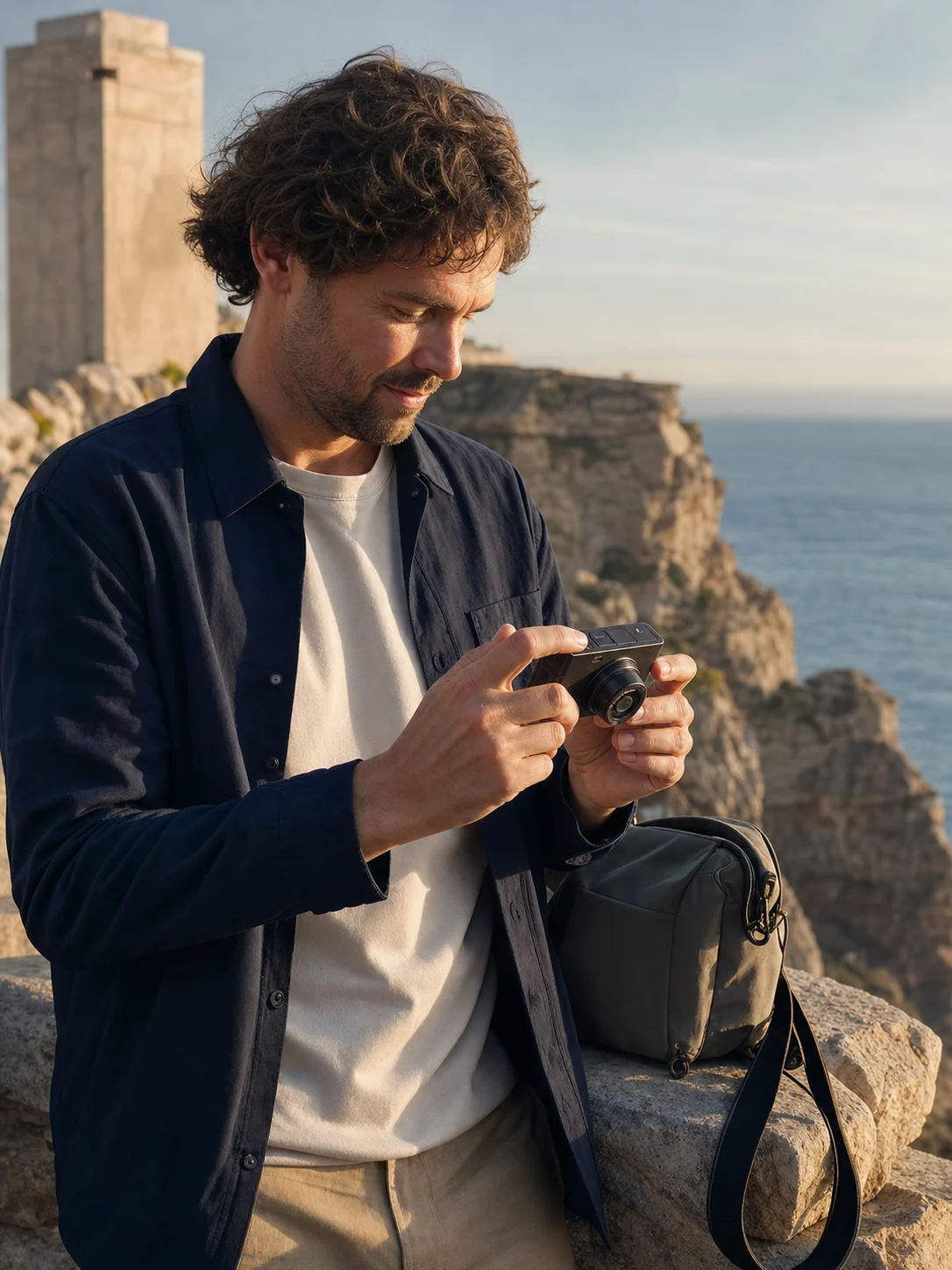
A hand, person, or nearby object should explain how the product enters the moment—not simply hold it up for display.
Use surfaces and props that clarify the routine, audience, or occasion while keeping the product visually dominant.
The way the product sits, is carried, or relates to nearby objects should feel physically natural within the scene.
Light direction, shadow softness, color, and material response should make the product feel present in the environment.
One product, different customer stories
The same product does not have to be locked into one generic lifestyle background. Change the customer moment and the image can communicate routine, portability, or aspiration—without changing the product at the center of the story.
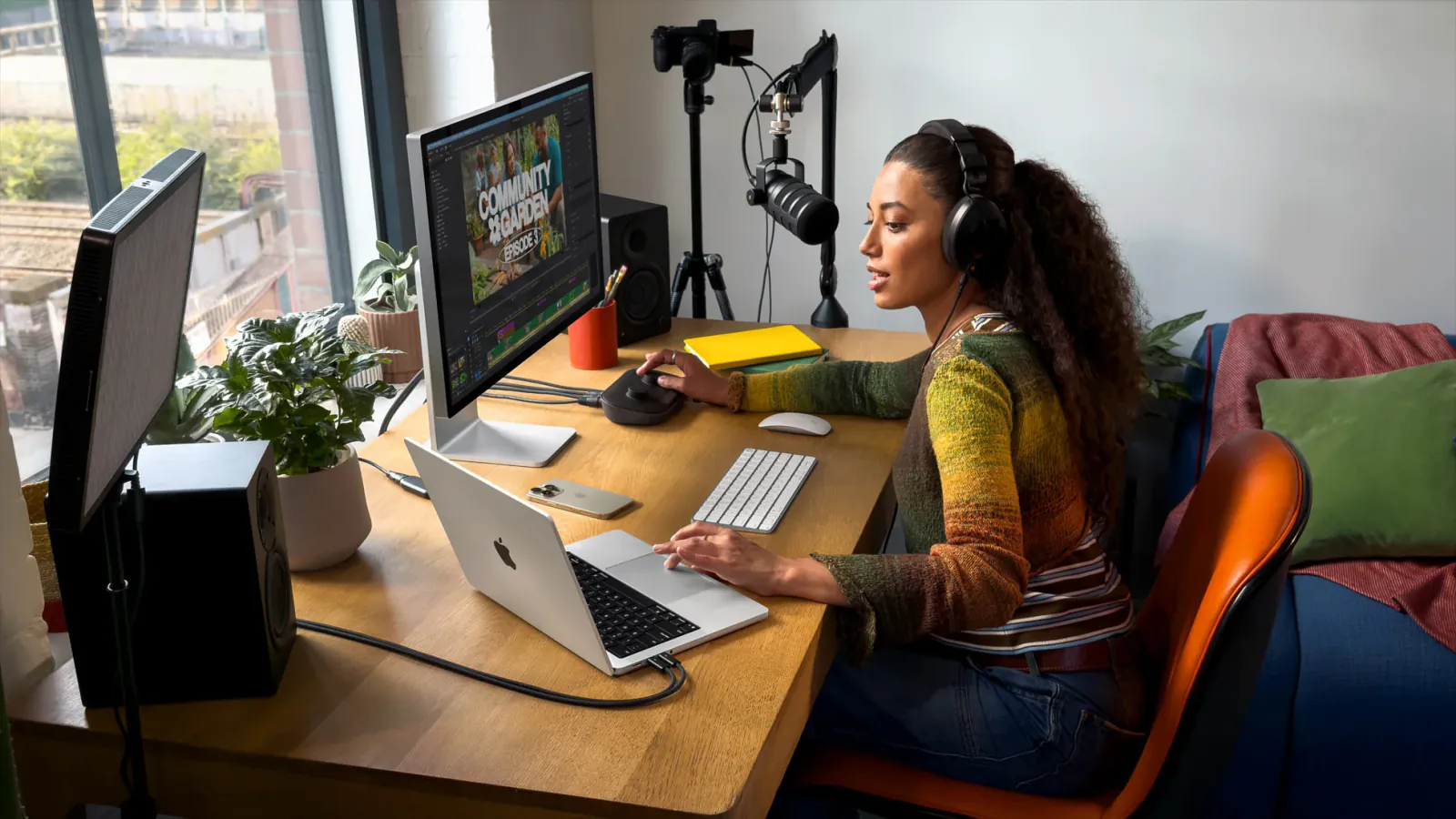
Everyday creative work
A complete desk setup shows how MacBook Pro fits into a focused creative workflow.

On the move
An airport setting makes portability and all-day work easy to picture.

Collaborative work
Sketches and architectural models connect MacBook Pro with demanding creative collaboration.
Create the scene in Adyvi
You do not need to write a technical prompt. Give Adyvi one product image and describe the moment in ordinary language: where the product is, what is happening, and how the scene should feel.
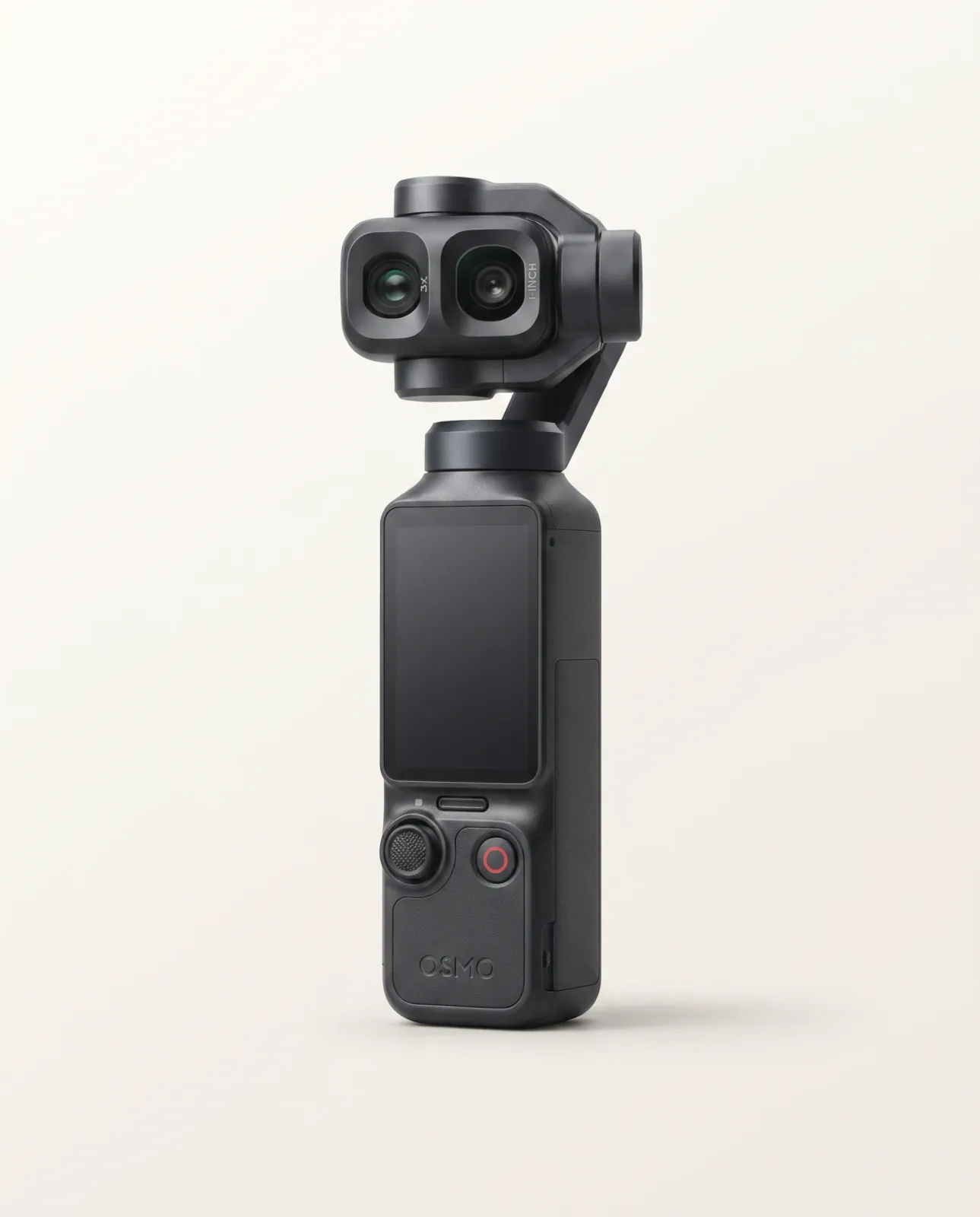
01 · Your product photo
Start with one clear image of the product you want to place in the scene.
02 · Describe the moment
Ordinary language is enough
Prompt
“Place the DJI Osmo Pocket 4P on a coastal rock at sunset. Keep the complete camera recognizable and let the light suggest an outdoor filming moment.”
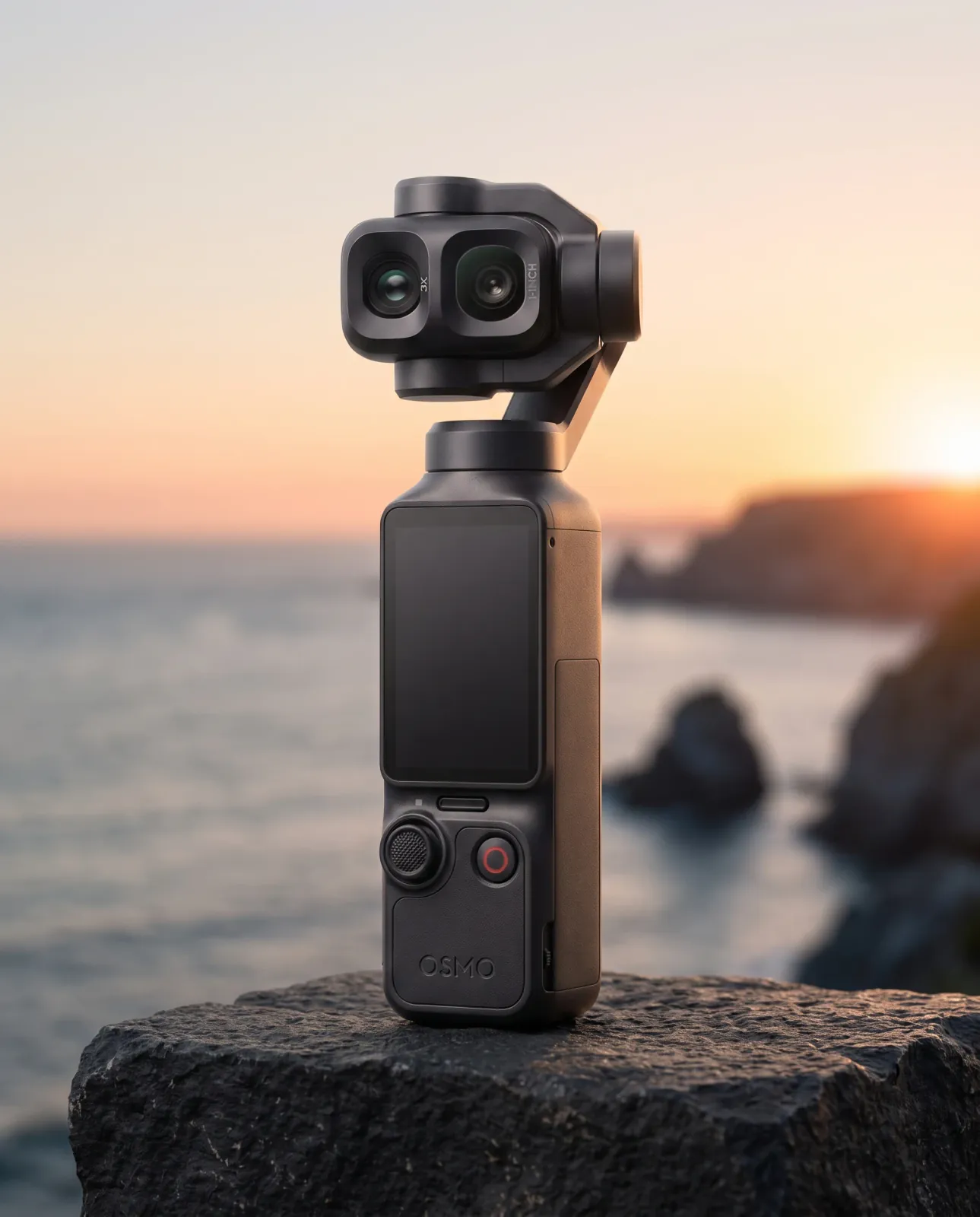
03 · Your result in Adyvi
The result stays with the request that created it, ready to regenerate, reuse as a reference, or download.
Add one product image and describe the moment.
Customer evidence
These teams used lifestyle scenes to give products a believable place, show how they fit into real life, and replace parts of a traditional location or model shoot.
Live product page
“Natural Lifestyle set our chair in a believable living room with soft daylight, and that scene is the hero image on the product page now. It looks lived-in, not like a flat catalog cutout.”
 Aditi_R
On-model context
“I upload one flat lay of a top and run Natural Lifestyle to get an on-model-feeling scene for the listing. Same direction across each colorway, one upload at a time, and the whole seasonal collection ends up looking like it was shot together.”
 Isolde_R
Believable street scene
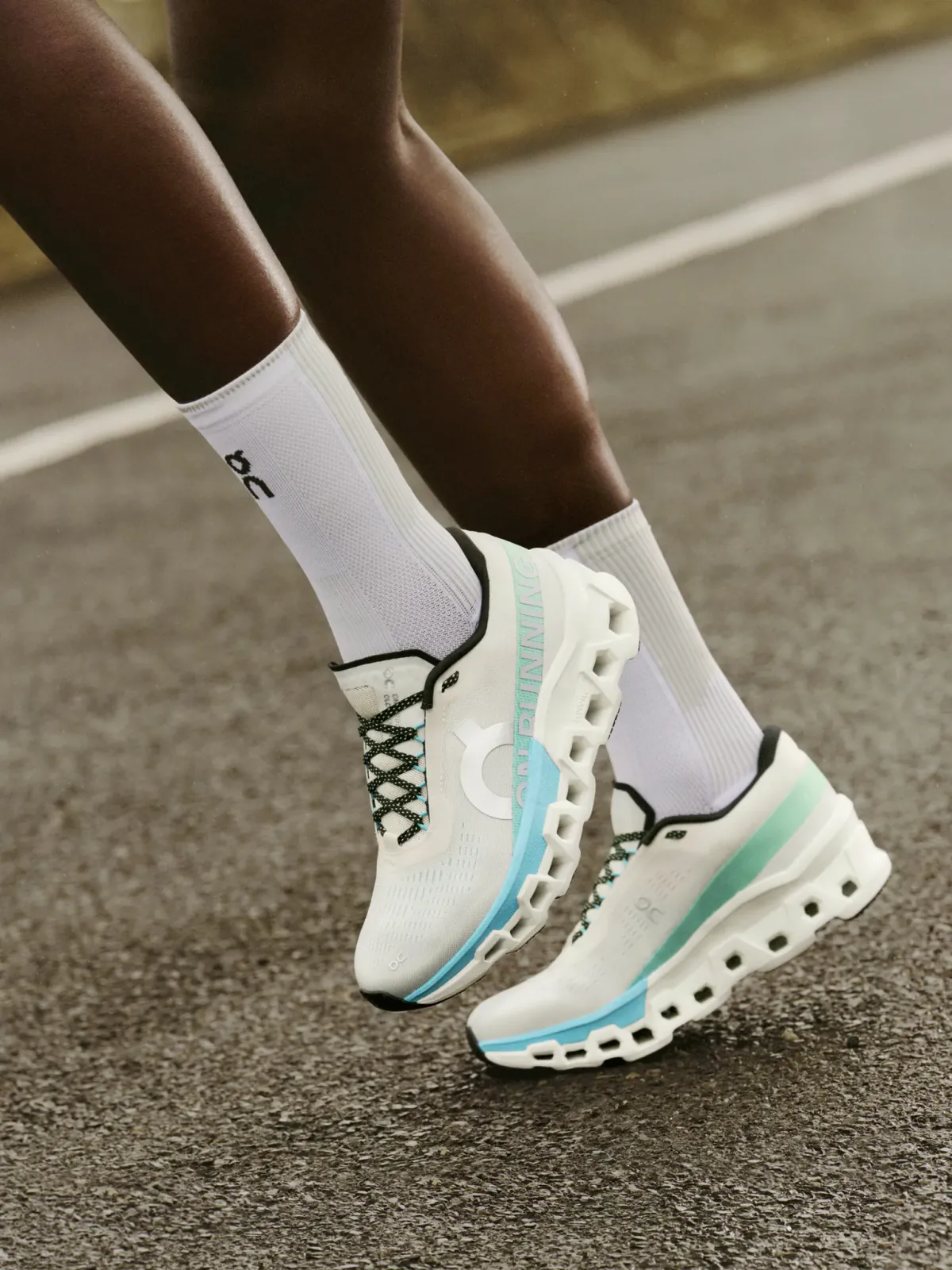
“Sneakers give tools away fast — the sole detail and mesh have to be exact or people notice. Natural Lifestyle dropped mine on a believable street surface and the stitching and knit still read as our actual shoe, not a generic one.”
 Hassan_A
Lower shoot cost
“Shooting furniture means renting space and hauling heavy pieces around. Now I upload one product shot and generate the room scene, and the studio budget goes straight into ads instead.”
 Soren_H
Add one product image and describe the moment you want people to picture.
Questions before you create
Lifestyle product photography shows a product in context—being used, carried, worn, displayed, or enjoyed in a real-life setting. The scene helps shoppers understand where the product fits and what owning it might feel like.
A packshot presents the product clearly on its own. A lifestyle product photo adds a customer moment, environment, action, and mood so the image can communicate use, identity, or aspiration.
Start with a clear, in-focus photo that shows the complete product and its defining shape, color, and materials. Choose an angle that makes sense for the scene or action you want to create.
No. Describe the product moment in ordinary language: where it happens, what is happening, how it should feel, and how the product should appear in the frame.
Yes. Reuse the same source image and start a separate request for each routine, setting, occasion, or mood you want to explore.
Use them on product pages, storefronts, campaigns, social posts, and email. Choose the crop and scene for the destination, then download the result and add it to your publishing workflow.
Create with Adyvi
Start with one clear product photo. Describe the life around it, create the scene, and review the completed result in Adyvi.